
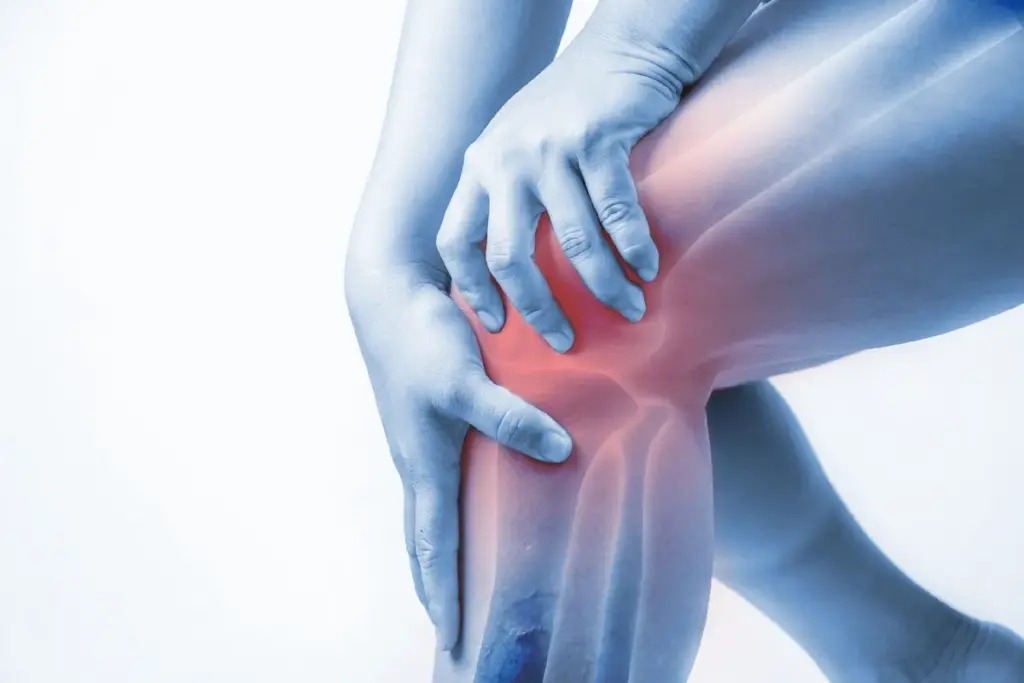
Everyday joint pain can turn simple tasks into frustrating challengesworkday may feel harder when the knees, hips, shoulders, or hands are stiff and uncomfortable. While natural approaches cannot replace medical treatment for arthritis, injury, or another diagnosed condition, they may help support comfort and movement.
The most useful approach is rarely one dramatic remedy. Joint comfort often improves through several small habits practiced consistently. Gentle movement, better sleep, balanced meals, sensible exercise, and attention to posture can work together. Resources focused on natural joint wellness guidance may also help people explore practical ways to build healthier routines without depending on unrealistic promises.
Start With Gentle Daily Movement
When a joint hurts, the natural reaction is often to stop moving it. Rest can be appropriate after a fresh injury, but avoiding movement for long periods may allow the surrounding muscles to weaken and stiffness to increase. Gentle activity keeps the body moving without placing excessive pressure on sensitive areas.
Walking is one of the simplest choices. Begin with a comfortable distance rather than aiming for a specific number of steps. A ten-minute walk may be enough at first. Flat surfaces, supportive shoes, and a moderate pace can make the activity easier on the knees and hips.
Water-based exercise is another useful option because the water supports part of the body’s weight. Swimming, water walking, and gentle pool classes allow many people to move through a wider range without the same impact experienced on hard ground.
Cycling on a stationary bike may also provide smooth movement for the knees and hips. Keep the resistance low at the beginning. The goal is to encourage circulation and mobility, not to create a demanding workout.
People looking for sustainable active lifestyle support should focus on consistency. A modest amount of comfortable movement performed regularly is usually more manageable than an exhausting workout followed by several inactive days.
Use Heat and Cold at the Right Times
Heat and cold can serve different purposes. Warmth may help relax tight muscles and reduce the feeling of stiffness around a joint. A warm shower, heated towel, or reusable heating pad can be applied for a limited period. The temperature should feel comfortably warm rather than hot enough to burn the skin.
Cold may be more suitable when a joint feels swollen, warm, or irritated after activity. Wrap an ice pack or frozen gel pack in a thin towel instead of placing it directly against the skin. Short applications are generally preferable to leaving cold packs in place for a long period.
Pay attention to how the joint responds. Some people find warmth more soothing in the morning and cold more useful after physical activity. Others prefer one method consistently. Skin sensitivity, circulation problems, and certain health conditions may affect whether heat or cold is appropriate, so professional guidance may be needed.
Strengthen the Muscles Around Painful Joints
Muscles help stabilize and support joints. When those muscles are weak, everyday movements may place more stress on sensitive areas. Strength exercises can therefore be valuable, but they must be introduced carefully.
For knee support, examples may include seated leg extensions, shallow chair squats, and controlled step-ups. Hip stability may be supported through side leg raises or glute bridges. Light resistance-band exercises can help the shoulders and upper back.
Begin with a small number of repetitions. Move slowly and maintain control instead of using momentum. Mild muscle effort is expected, but sharp, catching, or rapidly increasing joint pain is a sign to stop.
A physical therapist can identify which muscles need strengthening and demonstrate safer technique. This is especially useful when pain affects one side of the body, follows an injury, or changes the way a person walks.
Reliable body recovery habits should include rest between demanding sessions. Strength develops during recovery, not only during exercise. Working the same painful area intensely every day may cause more irritation instead of better support.
Stretch Without Forcing the Joint
Stretching may reduce tightness in the muscles surrounding a joint, but it should never become a contest to reach farther. Warm up with a few minutes of walking or easy movement before stretching. Cold, tense muscles are less prepared for deep positions.
Move slowly until a mild pulling sensation is felt. Hold the position without bouncing. Breathing normally can prevent unnecessary tension. A stretch should not create sharp pain, numbness, or tingling.
For stiff hips, gentle hip-flexor and hamstring stretches may be useful. Calf stretches can support ankle movement. Shoulder rolls, chest stretches, and controlled arm movements may help people who spend long periods at a desk.
Not every stretch is suitable for every condition. Someone with a recent injury, joint instability, osteoporosis, or a history of surgery may need an individualized program.
Maintain a Joint-Supportive Body Weight
Body weight is not the only cause of joint pain, and discomfort should never be treated as a personal failure. However, carrying additional weight can increase the mechanical load placed on weight-bearing joints such as the knees, hips, feet, and lower back.
Weight management does not require extreme dieting. Regular meals, appropriate portions, adequate protein, vegetables, fruit, whole grains, and foods rich in healthy fats can support gradual changes. Sustainable progress matters more than rapid loss.
Even without weight loss, improved strength and daily movement can make activity feel easier. The focus should remain on function, energy, and long-term health rather than appearance.
Eat for Overall Bone and Muscle Health
No single food can remove joint pain. Still, a balanced eating pattern gives the body nutrients needed for muscles, bones, and general recovery.
Protein supports muscle maintenance. Useful sources include eggs, fish, poultry, beans, lentils, yogurt, and tofu. Calcium and vitamin D contribute to bone health, while fruits and vegetables provide a range of vitamins and plant compounds.
Fatty fish, walnuts, flaxseed, and olive oil can fit into a balanced diet. Highly processed meals do not need to be completely banned, but relying on them heavily may crowd out more nutrient-rich choices.
Hydration also matters. Dehydration may contribute to fatigue, headaches, and poor exercise performance, making healthy movement harder to maintain.
Improve Sleep and Stress Management
Pain can disturb sleep, and poor sleep can make discomfort feel harder to manage the next day. A regular bedtime, a supportive mattress, reduced late-night screen exposure, and a comfortable room temperature may improve sleep quality.
Pillow placement can reduce strain. Side sleepers may feel more comfortable with a pillow between the knees. Back sleepers may benefit from support beneath the knees. The best position is one that keeps the body comfortable without forcing a joint into an awkward angle.
Stress can also increase muscle guarding. When the body remains tense, the muscles around painful joints may stay contracted. Slow breathing, short walks, gentle yoga, quiet hobbies, or relaxation exercises can help lower that tension.
Make Everyday Tasks Easier on the Joints
Small changes around the home can reduce unnecessary strain. Store frequently used objects between waist and shoulder height. Use both hands when lifting. Slide heavy items instead of carrying them when it is safe to do so.
Avoid remaining in one position for hours. Stand, stretch, or walk briefly every thirty to sixty minutes. A supportive chair and correctly positioned computer screen can reduce pressure on the back, hips, shoulders, and neck.
Kitchen tools with wider handles may be easier for sore hands. Supportive footwear may reduce stress on the feet, knees, and hips. These changes may appear minor, but their effect builds across hundreds of daily movements.
Practical everyday pain-management ideas should help people work with their bodies rather than repeatedly pushing through warning signs.
Know When Joint Pain Needs Medical Attention
Natural self-care is not appropriate for every situation. Seek prompt medical help when joint pain follows a major fall, collision, or twisting injury. A joint that looks deformed, cannot bear weight, becomes suddenly swollen, or feels unusually hot should also be evaluated.
Medical advice is important when pain continues for several weeks, regularly interrupts sleep, limits daily activity, or steadily worsens. Fever, unexplained weight loss, weakness, numbness, widespread swelling, or prolonged morning stiffness may require further investigation.
Joint pain has many possible causes, including osteoarthritis, inflammatory arthritis, tendon problems, bursitis, infection, gout, and injury. Correct treatment depends on understanding the cause.
Natural management works best as a steady process. Move gently, strengthen gradually, protect sleep, eat balanced meals, and adjust activities before discomfort becomes severe. The goal is not to ignore pain or chase a miracle cure. It is to create daily conditions that support safer movement, greater confidence, and better quality of life.

