
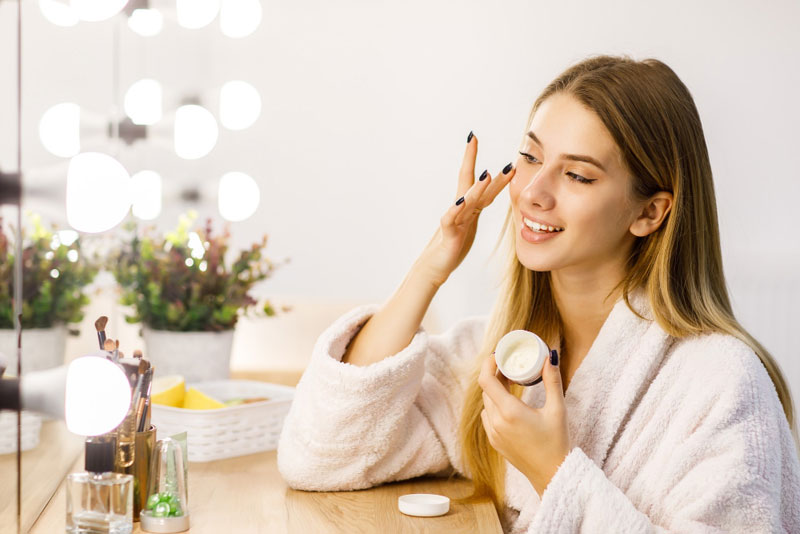
Healthy skin does not require a crowded bathroom shelf or a complicated ten-step schedule. A basic routine built around cleansing, moisturizing, and sun protection can meet the everyday needs of most people. The goal is to support the skin barrier without constantly exposing it to new ingredients.
A simple healthy skincare routine should also feel easy enough to follow on busy mornings and tired evenings. Consistency matters more than owning expensive products. Start with a few gentle formulas, observe how your skin responds, and make one adjustment at a time.
Understand What Your Skin Actually Needs
Your skin type gives you a useful starting point, but it should not become a permanent label. Skin can become oilier in warm weather, drier during winter, and more sensitive after illness, travel, hormonal changes, or the use of strong products.
Dry skin often feels tight after cleansing and may show rough or flaky areas. Oily skin develops shine quickly, especially around the forehead, nose, and chin. Combination skin may have an oily center with dry cheeks, while sensitive skin can sting, burn, or turn red after contact with certain ingredients.
Before buying anything new, look at your current routine. A practical skin wellness guide can help you think about daily care as part of a wider health pattern rather than a collection of beauty trends.
Avoid introducing several products on the same day. When irritation appears, you will struggle to identify the cause. Add one item, use it consistently for a reasonable period, and stop if you develop persistent burning, swelling, itching, or a worsening rash.
Build a Reliable Morning Routine
Morning care should prepare your skin for the day without stripping away the protective oils it needs. Many people benefit from washing with a gentle facial cleanser and lukewarm water. Those with dry or easily irritated skin may find that a water rinse is enough on some mornings.
Pat your face dry instead of rubbing it with a rough towel. Apply a moisturizer while the skin remains slightly damp. This helps hold water near the surface and can reduce the tight feeling that develops after washing.
Choose a moisturizer based on texture and comfort. Lightweight lotions often suit oily or combination skin, while creams may work better for dry areas. Look for fragrance-free options when your skin reacts easily. Ingredients such as glycerin, ceramides, and hyaluronic acid are commonly found in formulas designed to support moisture.
Finish with a broad-spectrum sunscreen suitable for your face. Apply it to commonly forgotten areas, including the ears, hairline, neck, and exposed upper chest. A step-by-step personal care approach can make protective habits easier to repeat instead of treating them as occasional extras.
Sunscreen should not be saved for beach trips. Driving, walking to work, gardening, and sitting near bright windows can all add to cumulative exposure. Hats, sunglasses, shade, and protective clothing provide another layer of defense.
Keep Evening Care Gentle and Purposeful
Your evening routine removes sunscreen, makeup, excess oil, sweat, and particles collected during the day. Use a cleanser that leaves your skin comfortable rather than squeaky or tight. A strong lather does not mean the product is cleaning more effectively.
People who wear heavy or water-resistant makeup may need a first cleansing step with a balm, oil cleanser, or micellar product. Follow it with a mild facial cleanser if residue remains. Scrubbing harder is not the answer. Friction can worsen redness and disturb already sensitive areas.
After cleansing, apply moisturizer. A richer cream at night may feel helpful during cold weather, though oily skin still needs hydration. Skipping moisturizer because you experience breakouts can backfire when dryness leads to discomfort and more product experimentation.
Treatment products should have a clear purpose. Salicylic acid may suit clogged pores, while retinoid products are often chosen for acne or visible signs of aging. These ingredients can also cause dryness, so begin slowly and avoid combining several strong treatments without professional guidance.
Resources centered on responsible everyday care can help you separate useful habits from aggressive routines driven by social media trends.
Avoid the Product-Overload Cycle
One of the most common routine problems begins with impatience. A person buys a cleanser, exfoliating toner, acid serum, retinoid, spot treatment, mask, and facial scrub, then starts everything within a week. Irritation follows, and another set of calming products gets added.
More products create more opportunities for fragrance, preservatives, exfoliating ingredients, and botanical extracts to conflict with your skin. A shorter routine is easier to monitor and often costs less.
Do not exfoliate according to an influencer’s calendar. Watch your skin. If it feels sore, looks shiny but tight, burns when moisturizer is applied, or develops patches of redness, pause exfoliating products and return to gentle cleansing, moisturizing, and daytime protection.
Patch testing is useful for people with reactive skin. Apply a small amount of the new product to a limited area for several days before using it widely. A patch test cannot predict every reaction, but it can reveal obvious sensitivity before the formula covers your face.
Lifestyle also influences how your skin behaves. Poor sleep, repeated face touching, unwashed makeup tools, tight headwear, and long periods in dry indoor air can affect comfort. Building balanced self-care habits gives your skincare routine a stronger foundation.
Adjust the Routine Without Starting Over
Give basic products time to show whether they suit you. Cleansers and moisturizers can often be judged by comfort, while changes involving acne, uneven tone, or texture may take longer. Constant switching prevents you from learning what works.
Change one factor when the season shifts. You might replace a gel moisturizer with a cream during winter or use a lighter layer in humid weather. You do not need to rebuild the entire routine every few months.
Seek medical evaluation when you have severe acne, painful cysts, spreading rashes, cracked or bleeding skin, signs of infection, or irritation that continues after stopping suspected products. A dermatologist can identify conditions that ordinary skincare cannot solve.
Conclusion
A dependable routine is built through repetition, not product collecting. Cleanse without stripping, moisturize according to your skin’s comfort, and protect exposed areas from the sun each morning.
Keep treatment products limited and introduce them separately. This gives you a clearer picture of what helps and what causes trouble. Your simple healthy skincare routine should fit your schedule, budget, climate, and actual skin needs rather than copying someone else’s shelf.
The best routine is often the one that looks almost boring on paper. It works because you can follow it every day.


